
Have you noticed a dull ache in your testicle or swelling in your scrotum? You might have a varicocele, a common condition caused by enlarged veins around a testicle.
Some men never notice anything unusual. Others have pain, swelling, or trouble with fertility.
Here’s how to recognize varicocele symptoms, what they feel like, and when to see a urologist.
What Are Common Varicocele Symptoms?
A varicocele happens when blood pools in the veins around a testicle, causing them to swell. It’s similar to having varicose veins in your legs.
Varicoceles usually develop slowly and are more common on the left side. You might notice:
- A dull ache. Your scrotum may hurt after you’ve been standing or moving around for a while.
- A heavy feeling. One side of your scrotum may feel heavier than the other, especially later in the day.
- Enlarged veins. You might feel a group of soft, twisted veins above your testicle.
- Swelling. One side of your scrotum may look swollen, especially when you’re standing.
- A smaller testicle. A varicocele can affect how a testicle grows, especially in teens.
- Fertility problems. Some men with varicoceles have trouble producing healthy sperm.
You can also have a varicocele without any symptoms.
What Does Varicocele Pain Feel Like?
Varicocele pain is usually a dull ache rather than a sharp pain. You might feel fine in the morning but notice discomfort as the day goes on.
The pain may get worse when you:
- Exercise
- Lift heavy objects
- Stand for a long time
- Do activities that put pressure on your belly
Lying down often helps because it allows blood to drain from the swollen veins.
Sudden, severe testicular pain is not a typical varicocele symptom. If you have sudden or severe pain, especially with swelling, nausea, or vomiting, go to the emergency room right away.
These can be signs of testicular torsion, a serious condition that cuts off blood flow to a testicle.
Can a Varicocele Affect Fertility Without Symptoms?
A varicocele can affect your fertility even if you don’t feel any pain.
Your testicles need to stay a little cooler than the rest of your body to make healthy sperm. A varicocele may raise the temperature around a testicle, which can affect sperm production.
Some men don’t find out they have a varicocele until they have trouble getting their partner pregnant.
Still, many men with varicoceles have children without any problems.
How Is a Varicocele Diagnosed?
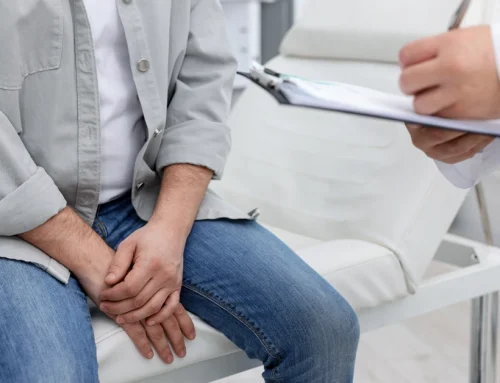
A urologist can often find a varicocele during a physical exam.
Your doctor may check your scrotum while you’re standing and lying down. You might also be asked to bear down, as if you’re having a bowel movement. This can make swollen veins easier to feel.
Your doctor may also recommend an ultrasound to check the veins and see how blood flows through them. This test can also help rule out other causes of pain or swelling.
How Are Varicoceles Treated?
Not every varicocele needs treatment. If you don’t have pain or other problems, your doctor may simply keep an eye on it.
For mild discomfort, you might feel better by:
- Wearing supportive underwear
- Avoiding activities that make the pain worse
- Taking over-the-counter pain medicine if it’s safe for you
If pain doesn’t improve or the varicocele causes fertility or growth problems, your urologist may recommend treatment.
Two options include:
- Varicocelectomy. A surgeon closes the swollen veins so blood can flow through healthier ones.
- Varicocele embolization. A specialist uses a thin tube and small coils or other materials to block blood flow through the problem veins.
Your urologist can help you decide whether treatment makes sense for you.
When Should You See a Urologist for Varicocele Symptoms?
If you notice swelling, a dull ache, enlarged veins, or a change in the size of a testicle, it’s worth getting checked.
These symptoms don’t always mean you have a varicocele. A urologist can find out what’s causing them and help you decide what to do next.
At Carolina Urology Partners, we help men in Charlotte, NC, and Columbia, SC, get answers about varicocele symptoms, testicular pain, and fertility concerns.
Contact us today to schedule an appointment.