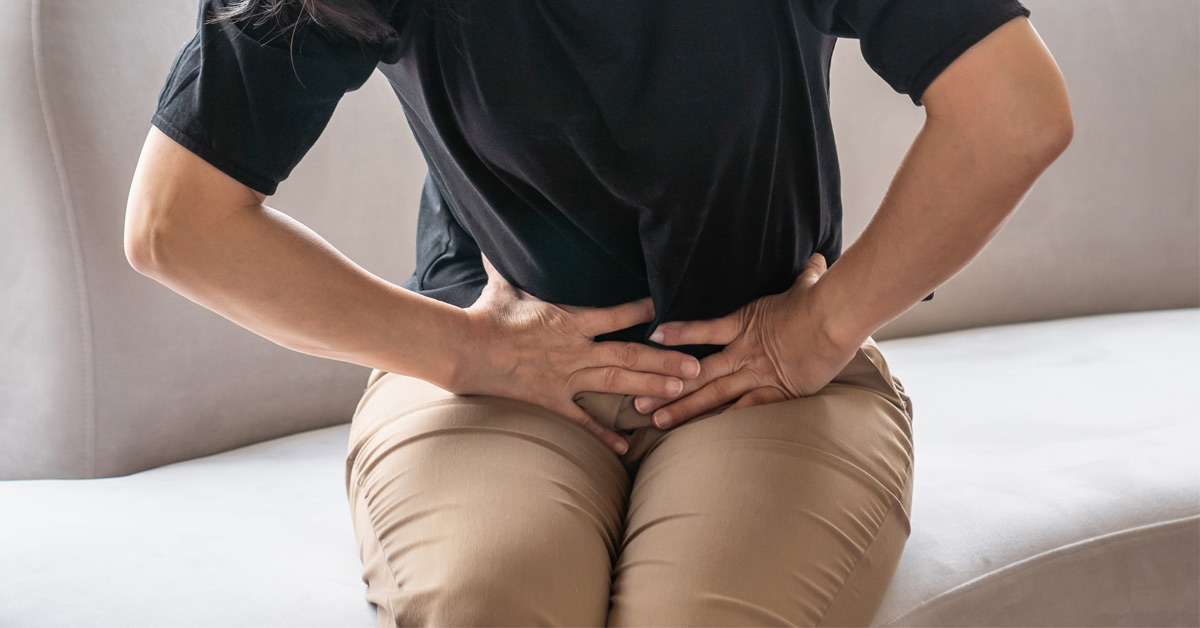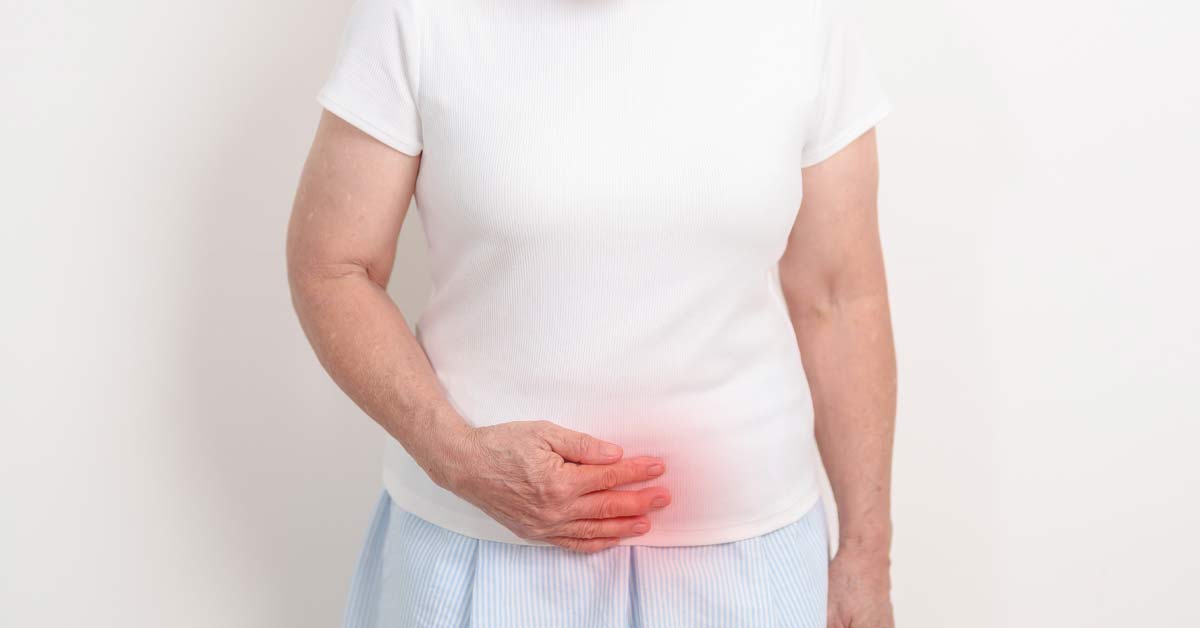
Testicular pain can be scary, especially when it starts without warning. You may worry about cancer or wonder if you need to go to the emergency room. The causes of testicular pain range from minor injuries to serious problems that need immediate care.
Pain may begin in one or both testicles. It may also start in your groin, stomach, or urinary tract and spread to the scrotum. Knowing what may be causing your pain can help you decide when to see a urologist.
What Are the Most Common Causes of Testicular Pain?
The causes of testicular pain range from minor injuries to medical conditions that need prompt treatment. Sometimes the pain starts in the testicle. Other times, it begins somewhere else, such as the urinary tract or groin, and spreads into the scrotum.
Injury
A hit to the groin during sports, exercise, work, or an accident can cause pain, swelling, or bruising. Minor injuries often improve with rest, but severe pain or swelling should be checked by a doctor.
Epididymitis
Epididymitis is swelling of the tube behind the testicle that stores and carries sperm. It’s often caused by a bacterial infection, including a urinary tract infection or a sexually transmitted infection. Pain usually develops gradually and may occur with swelling, fever, or pain when you urinate.
Orchitis
Orchitis is swelling in one or both testicles. It may be caused by a viral or bacterial infection. Along with pain and swelling, you may also have a fever or feel sick.
Hydrocele
A hydrocele happens when fluid builds up around a testicle. It often causes swelling or a feeling of heaviness. Larger hydroceles may become uncomfortable.
Varicocele
A varicocele is a group of enlarged veins in the scrotum. It may cause a dull ache that gets worse after standing for a long time or being active.
Spermatocele
A spermatocele is a noncancerous, fluid-filled cyst near the epididymis. Small cysts often don’t cause symptoms, but larger ones may cause pressure or discomfort.
Inguinal Hernia
An inguinal hernia happens when tissue pushes through a weak area in the lower abdominal wall. It may cause pain, pressure, or a bulge in the groin or scrotum.
Kidney Stones
Kidney stones can cause severe pain that starts in your side or lower back and spreads into your groin or testicle. You may also notice blood in your urine or pain when you urinate.
Prostatitis
Prostatitis is swelling of the prostate gland. It may cause pain in the groin, testicles, lower back, or pelvis. You may also have trouble urinating or pain during ejaculation.
Pain After a Vasectomy
It’s normal to have some pain and swelling after a vasectomy. In rare cases, pain may last longer because of swelling or nerve irritation.
Testicular Torsion
Testicular torsion happens when the spermatic cord twists and cuts off blood flow to the testicle. It causes sudden, severe pain and is a medical emergency that needs immediate treatment.
Testicular Cancer
Testicular cancer often causes a painless lump, but some men notice a dull ache, pain, or heaviness in the scrotum. Any new lump or ongoing testicular pain should be checked by a urologist.
When Is Testicular Pain an Emergency?
Sudden or severe testicular pain may be a sign of testicular torsion. This happens when the spermatic cord twists and cuts off blood flow to the testicle.
Testicular torsion needs emergency treatment. Waiting can cause lasting damage or lead to the loss of the testicle.
Go to the emergency room right away if you have:
- Sudden, severe pain in one testicle
- Sudden swelling in the scrotum
- Testicular pain with nausea or vomiting
- A testicle that seems higher than usual
- Pain after a serious injury
- Testicular pain with fever, chills, or blood in your urine
Don’t try to decide on your own whether the pain is caused by torsion or an infection. The symptoms can be similar, and a doctor may need to perform tests to tell the difference.
What Other Symptoms May Occur With Testicular Pain?
Other symptoms that occur with testicular pain can help your doctor narrow down the cause.
You may notice:
- Swelling or redness
- A lump or firm area
- Bruising after an injury
- A heavy feeling in the scrotum
- Fever or chills
- Nausea or vomiting
- Pain or burning when you urinate
- Blood in your urine
- A need to urinate more often
- Discharge from the penis
- Pain during sex or ejaculation
- Pain that spreads into your groin, side, or lower back
Tell your doctor when the pain started and whether it came on slowly or all at once. You should also mention any injuries, urinary problems, sexual health concerns, or recent medical procedures.
How Do Urologists Find the Cause of Testicular Pain?
Your urologist will ask about your symptoms and health history. They’ll also examine your testicles, scrotum, groin, and lower stomach.
You may need one or more tests, such as:
- A urine test to look for infection or blood
- Blood tests to check for signs of infection
- STI testing when an infection may be the cause
- An ultrasound to look at the testicles and check blood flow
An ultrasound may help your doctor find swelling, cysts, masses, or reduced blood flow caused by torsion.
How Are the Causes of Testicular Pain Treated?
Treatment depends on what’s causing the pain. Don’t rely on home care until a doctor has ruled out an emergency, especially if the pain began suddenly.
For mild pain that has been checked by a doctor, treatment may include:
- Resting and avoiding heavy activity
- Wearing supportive underwear
- Applying a cold pack wrapped in a towel
- Taking over-the-counter pain medicine as directed
Other treatments may include antibiotics for a bacterial infection. Antibiotics don’t treat viral infections.
Some conditions need a procedure or surgery. For example, testicular torsion needs emergency surgery to restore blood flow. A hernia, large cyst, kidney stone, or other condition may also need treatment.
Get Help for the Causes of Testicular Pain
You don’t have to feel embarrassed about testicular pain. Urologists treat these concerns often, and getting help early may protect your health and provide faster relief.
Carolina Urology Partners helps men throughout the Charlotte, NC, and Columbia, SC, areas find the causes of testicular pain. If your pain is sudden or severe, go to the nearest emergency room. For ongoing pain, swelling, or other changes, schedule an appointment with one of our urologists.