
Your head just hit the pillow, and there it is: that familiar urge to pee. For the third time tonight.
Is it just a normal part of aging, or is something seriously wrong?
Changes like these can be worrying, especially when prostate cancer crosses your mind. But here’s something you might not know: early prostate cancer often causes no symptoms at all.
Knowing which prostate cancer symptoms to watch for and when to see a doctor can help you take the next step.
What Are Stage 1 Prostate Cancer Symptoms?
Most men with stage 1 prostate cancer don’t notice any symptoms at all. At this early stage, the cancer hasn’t spread outside the prostate and usually doesn’t cause noticeable changes.
In fact, some men first learn something may be wrong after a routine blood test shows an elevated prostate-specific antigen (PSA) level.
That’s why you shouldn’t wait for symptoms to ask your doctor about prostate cancer screening, especially if you have a family history of the disease.
What Are Common Prostate Cancer Symptoms?
As prostate cancer grows, it may begin to affect how you pee or cause other changes. Symptoms can include:
- Needing to pee more often, especially at night
- Trouble starting or stopping your urine stream
- A weak or interrupted urine stream
- Feeling like your bladder isn’t empty
- Pain or burning when you pee
- Blood in your urine or semen
- Trouble getting or keeping an erection
- Pain when you ejaculate
Having one or more of these symptoms doesn’t mean you have prostate cancer. But you shouldn’t ignore changes that keep happening or get worse.
What Are the Symptoms of Advanced Prostate Cancer?
When prostate cancer spreads beyond the prostate, it can cause symptoms in other parts of your body.
These may include:
- Pain in your back, hips, or pelvis that doesn’t go away
- Unexplained weight loss
- Feeling unusually tired or weak
- Swelling in your legs or feet
- Numbness or weakness in your legs
These symptoms can have other causes, but you should see a doctor if they’re new or getting worse.
Sudden leg weakness or numbness, or new loss of bladder or bowel control, needs emergency care.
Can Prostate Cancer Symptoms Mean Something Else?
Yes. Many urinary problems have nothing to do with prostate cancer.
- An enlarged prostate, also called benign prostatic hyperplasia (BPH), can make it harder to pee or cause frequent bathroom trips.
- Prostatitis, which is inflammation of the prostate, can cause pain and urinary problems.
- Urinary tract infections can cause burning, urgency, and frequent urination.
You can’t tell what’s causing your symptoms just by how they feel. That’s why it’s worth getting checked.
How Do Doctors Check for Prostate Cancer?
Your urologist will start by asking about your symptoms, medical history, and family history.
Depending on your situation, your doctor may recommend:
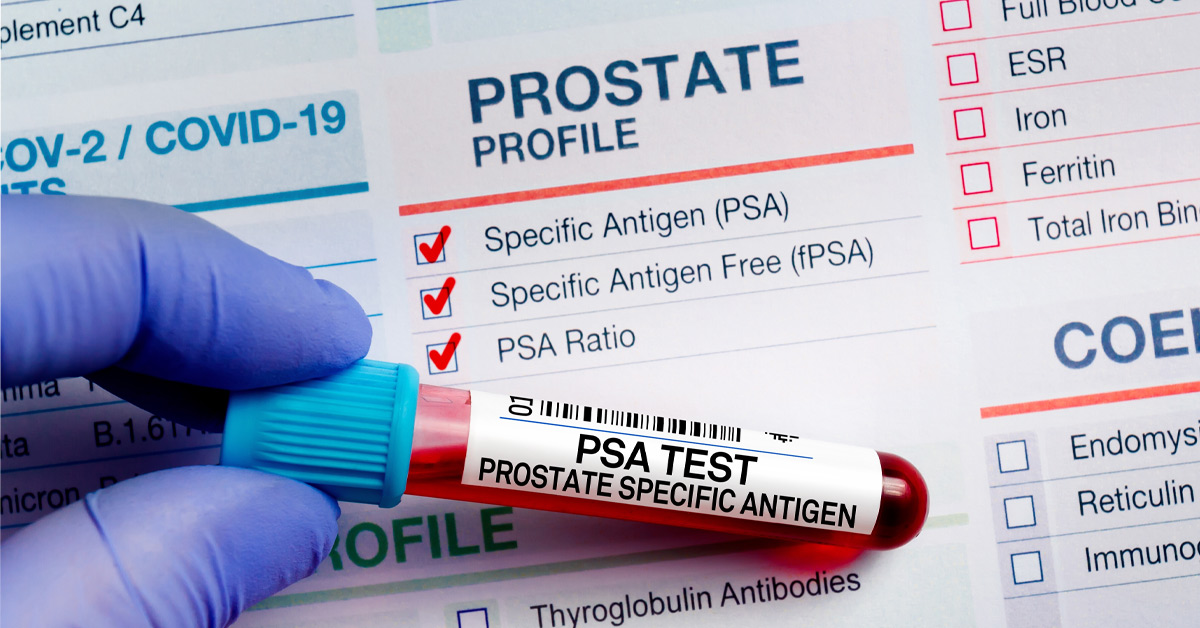
- PSA blood test: Measures a protein made by the prostate. A high level can be a sign of cancer, but other conditions can raise it, too.
- Digital rectal exam: Allows your doctor to feel for unusual changes in the prostate.
- Prostate MRI: Provides detailed images that can show areas of concern.
- Prostate biopsy: Checks small samples of prostate tissue for cancer cells.
Not everyone needs every test. Your doctor will help decide which ones make sense for you.
Want to know more about the blood test? Read our PSA Test article to learn what your results may mean.
What Happens if You’re Diagnosed With Prostate Cancer?
A prostate cancer diagnosis doesn’t always mean you need treatment right away.
Some cancers grow so slowly that doctors recommend watching them closely with regular tests. Others may need surgery, radiation or other treatments.
Your options depend on how aggressive the cancer is, whether it has spread and your overall health.
When Should You See a Urologist About Prostate Cancer Symptoms?
Don’t put off seeing a doctor if you notice blood in your urine, ongoing trouble peeing or other changes that concern you.
Even if you feel fine, it’s worth asking when you should start prostate cancer screening. Your age, family history, and other risk factors can help guide that decision.
The sooner you find out what’s causing a problem, the sooner you can decide what to do about it.
Get Answers About Prostate Cancer Symptoms in Charlotte or Columbia
Changes in your bathroom habits can be frustrating, especially when you’re worried about what they might mean. You don’t have to figure it out on your own.
Schedule an appointment with Carolina Urology Partners in Charlotte, NC, or Columbia, SC, to learn more about your options.