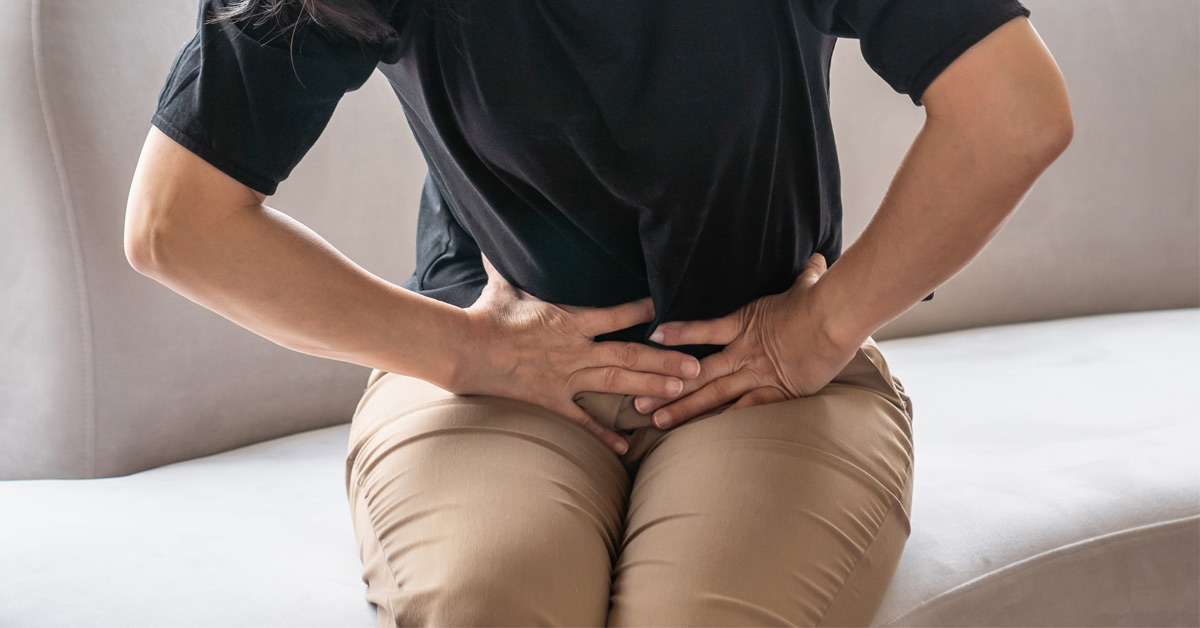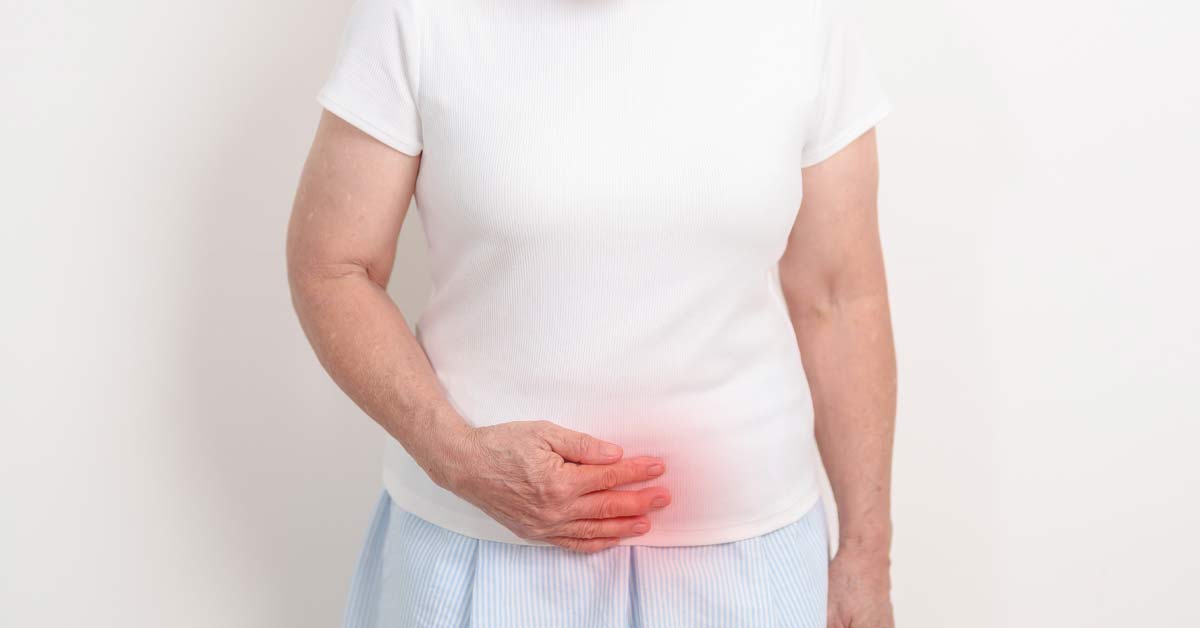

Pelvic pressure, heaviness, or the feeling that something is dropping can be signs of pelvic organ prolapse (POP).
POP happens when the muscles and tissues that support your pelvic organs weaken. This can cause the bladder, uterus, rectum, or top of the vagina to drop from its normal position.
Pelvic organ prolapse symptoms can be mild at first. They may become more noticeable with activity or as the prolapse gets worse.
What Types of Pelvic Organ Prolapse Are There?
The type depends on which area has lost support.
- Anterior vaginal wall prolapse: The front vaginal wall drops, usually along with the bladder.
- Posterior vaginal wall prolapse: The rectum pushes against the back vaginal wall.
- Uterine prolapse: The uterus drops into the vaginal canal.
- Vaginal vault prolapse: The top of the vagina drops. This can happen after a hysterectomy.
More than one area can prolapse at the same time.
What Does Pelvic Organ Prolapse Feel Like?
Some women have mild prolapse with few or no symptoms. As prolapse becomes more noticeable, you may have:
- Pelvic pressure or heaviness
- A bulge in or near the vaginal opening
- A feeling that something is falling out
- Changes in urination
- Trouble with bowel movements
- Discomfort during sex
Your symptoms can depend on which organ has dropped and how far it has moved.
Why Can Symptoms Get Worse Later in the Day?
Prolapse symptoms can change throughout the day. Pressure and bulging may become more noticeable after things that put extra pressure on the pelvic floor, including:
- Standing for a long time
- Exercising
- Lifting
- Coughing
- Straining
You may feel better when you sit or lie down because there is less downward pressure on your pelvic organs.
Can Pelvic Organ Prolapse Cause Bladder Symptoms?
Yes. Bladder symptoms are more common when the bladder drops along with the front vaginal wall. This is sometimes called a cystocele.
Symptoms can include:
- Frequent or urgent urination
- Urine leakage
- A slow urine stream
- Trouble starting urination
- Feeling like your bladder didn’t empty completely
Prolapse can sometimes make it harder for your bladder to empty all the way.
Can Prolapse Cause Problems With Bowel Movements?
Yes. If the rectum pushes against the back wall of the vagina, it can make bowel movements more difficult. This type of prolapse is called a rectocele.
You may have constipation, feel like you haven’t finished a bowel movement, or feel like stool is trapped.
What Causes Pelvic Organ Prolapse?
Pregnancy and vaginal childbirth are common causes because they can stretch and weaken the pelvic floor.
Risk also increases with age and after menopause. Other factors include:
- Chronic constipation and straining
- Persistent coughing
- Repeated heavy lifting
- Excess body weight
Prolapse can also happen after a hysterectomy.
How Is Pelvic Organ Prolapse Diagnosed?
Your doctor can usually find prolapse during a pelvic exam. You may be asked to bear down or cough to make the prolapse easier to see.
If you’re having bladder symptoms, your doctor may also check how well your bladder empties. Be sure to mention bowel symptoms and how prolapse affects your daily activities.
When Should You See a Doctor?
Make an appointment if you notice a vaginal bulge, ongoing pelvic pressure or trouble emptying your bladder or bowels.
Treatment doesn’t automatically mean surgery. Pelvic floor physical therapy or a pessary may provide support and ease symptoms. For some women with more significant prolapse, surgery such as sacrocolpopexy may be an option.
Get Help for Pelvic Organ Prolapse Symptoms
If pelvic organ prolapse symptoms are affecting your daily life, talk to a urologist about what’s causing them and what you can do next.
Carolina Urology Partners provides care for women with pelvic organ prolapse in Charlotte, NC, and Columbia, SC. Contact us to schedule an appointment.