
Bladder pressure, pain, and the constant urge to pee can make you think you have a UTI. But what if your tests keep coming back negative or your symptoms keep returning?
These can be signs of interstitial cystitis (IC), also called bladder pain syndrome. Interstitial cystitis symptoms can include bladder pain or pressure, frequent urination, and a strong urge to go.
Because IC can feel a lot like a UTI and other bladder or pelvic conditions, getting the right diagnosis can take time. Knowing which symptoms to watch for can help you explain what you’re feeling to your urologist.
What Does Interstitial Cystitis Feel Like?
Bladder discomfort is one of the most common IC symptoms, but it doesn’t feel the same for everyone. You may describe it as:
- Pain
- Pressure
- Heaviness
- Tenderness
- Burning
- An uncomfortable awareness of your bladder
For many people, the discomfort gets worse as the bladder fills and improves for a short time after urination. Then it gradually returns as the bladder fills again.
If you keep having UTI-like symptoms but tests don’t show an infection, your doctor may check for other causes, including IC.
Where Is IC Discomfort Felt?
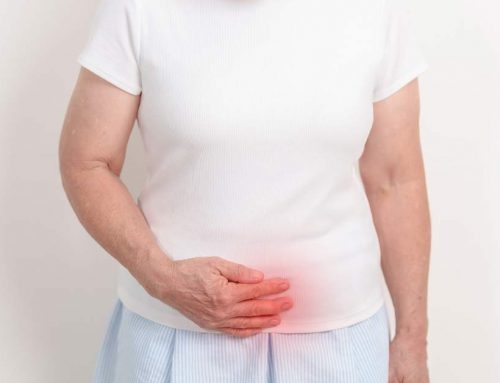
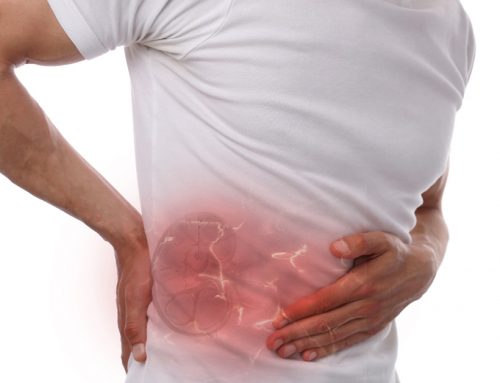
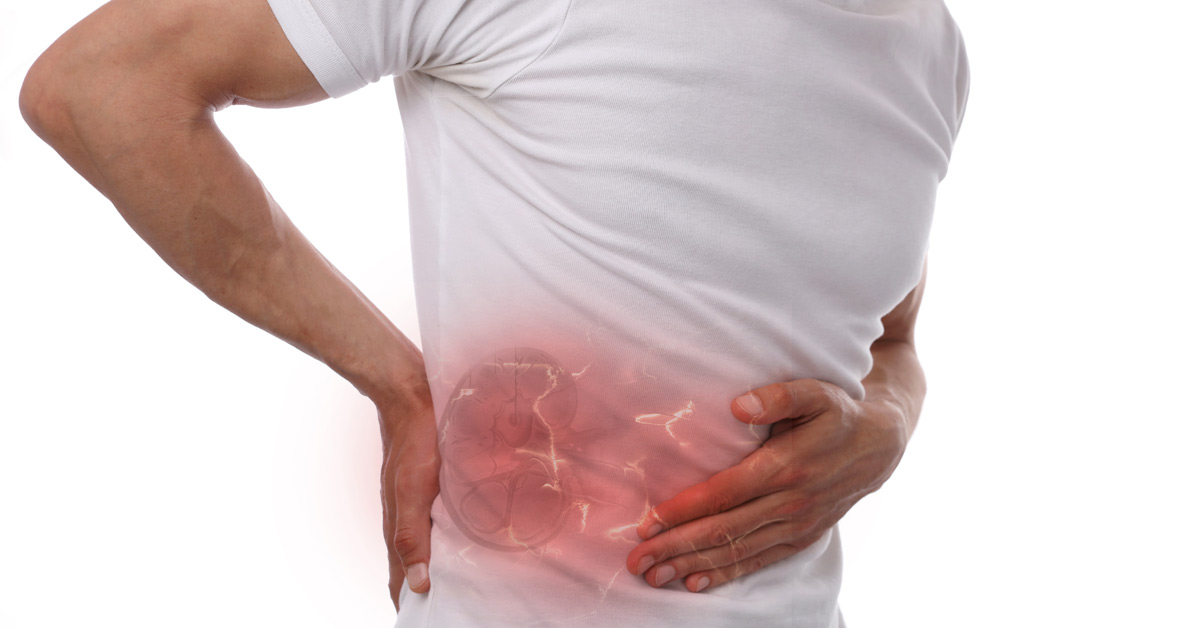
Bladder pain syndrome doesn’t always cause pain that feels like it’s coming from your bladder. You may feel discomfort in your:
- Lower abdomen
- Pelvis
- Urethra
- Vagina or vulvar area
- Penis or scrotum
- Lower back
- Upper thighs
- Area between the genitals and anus
You may not describe the feeling as pain at all. Some people mainly notice pressure, burning, or a strong feeling that they need to pee even when there’s very little urine in the bladder.
Can IC Cause Urgency and Frequent Urination?
Yes. IC can make you feel like you need to urinate before your bladder has had time to fill.
You may:
- Use the bathroom more often during the day
- Wake up several times at night to urinate
- Pass only a small amount of urine each time
You may also start going to the bathroom more often because an empty bladder feels better. If filling your bladder causes discomfort, urinating can bring temporary relief.
Urgency and frequent urination may start before you notice bladder pain. Over time, these symptoms can disrupt your sleep, work, travel, and daily life.
Do Interstitial Cystitis Symptoms Come and Go?
IC symptoms can change over time. You may have mild symptoms for a while and then go through a period when they suddenly get worse. These periods are often called flares.
Possible flare triggers include:
- Certain foods or drinks
- Stress
- Menstruation
- Sexual activity
- Sitting for long periods
- Strenuous activity
- Dehydration
- Tight clothing
- Holding urine for too long
Not everyone can identify a trigger. Symptoms may also improve for weeks or months before returning.
How Is Interstitial Cystitis Diagnosed?
There isn’t one test that can tell your doctor for certain that you have IC. Instead, your urologist will look at your symptoms and rule out other conditions that could be causing them.
Your evaluation may include a physical exam and urine testing. Depending on your symptoms and health history, your doctor may also recommend a cystoscopy to look inside your bladder.
When Should I See a Doctor About Interstitial Cystitis Symptoms?
See a urologist if bladder pain, pressure, frequent urination, or a constant urge to pee lasts for several weeks or keeps coming back. You should also get checked if you’re having UTI-like symptoms but tests don’t show an infection or treatment isn’t making you feel better.
Pay attention to when your symptoms happen, too. Tell your doctor if your discomfort gets worse as your bladder fills and improves after you urinate. These details can help your urologist narrow down what may be causing your symptoms.
If you live in Charlotte, NC, Columbia, SC, or the surrounding areas, schedule an appointment with Carolina Urology Partners to talk with a urologist about your symptoms and next steps.