You may know how painful kidney stones can be, but figuring out why you got one isn’t always as simple. Sometimes it’s related to not drinking enough water. Other times, your diet, medications, health conditions, or even your family history may play a role.
So, how do you get kidney stones, and can you keep them from coming back? Understanding what raises your risk can help you make changes that may prevent another painful stone.
How Do You Get Kidney Stones?
Your kidneys filter waste from your blood and make urine. When you don’t have enough fluid in your urine, certain minerals and salts can build up and form crystals. Over time, those crystals can grow into kidney stones.
Several things can make this more likely, including:
- Not drinking enough water. Dehydration makes your urine more concentrated, which makes it easier for stones to form.
- Eating too much sodium. A high-sodium diet can increase the amount of calcium in your urine, because of the way your kidneys process the excess sodium.
- Eating a lot of animal protein. Large amounts of meat, poultry, eggs, and some seafood can raise the risk of certain stones.
- Certain health conditions. Gout, obesity, inflammatory bowel disease, chronic diarrhea, and other conditions can raise your risk.
- Certain medications and supplements. Some can make kidney stones more likely, so talk with your doctor before changing anything you take.
- Family history. You’re more likely to develop kidney stones if they run in your family.
- Previous kidney stones. Having one stone raises your chances of developing another.
Having one or more risk factors doesn’t mean you’ll definitely get a stone.
What Are the Different Types of Kidney Stones?
There are four main types:
- Calcium stones: The most common type, usually made of calcium oxalate.
- Uric acid stones: These can form when urine has too much uric acid or becomes too acidic.
- Struvite stones: These can develop after certain urinary tract infections.
- Cystine stones: These rare stones occur in people with an inherited condition called cystinuria.
Knowing your stone type can help your urologist determine what may have caused it and how you can lower your risk of another one.
What Are the Symptoms of Kidney Stones?
A small kidney stone may not cause symptoms until it begins moving through your urinary tract. Symptoms can include:
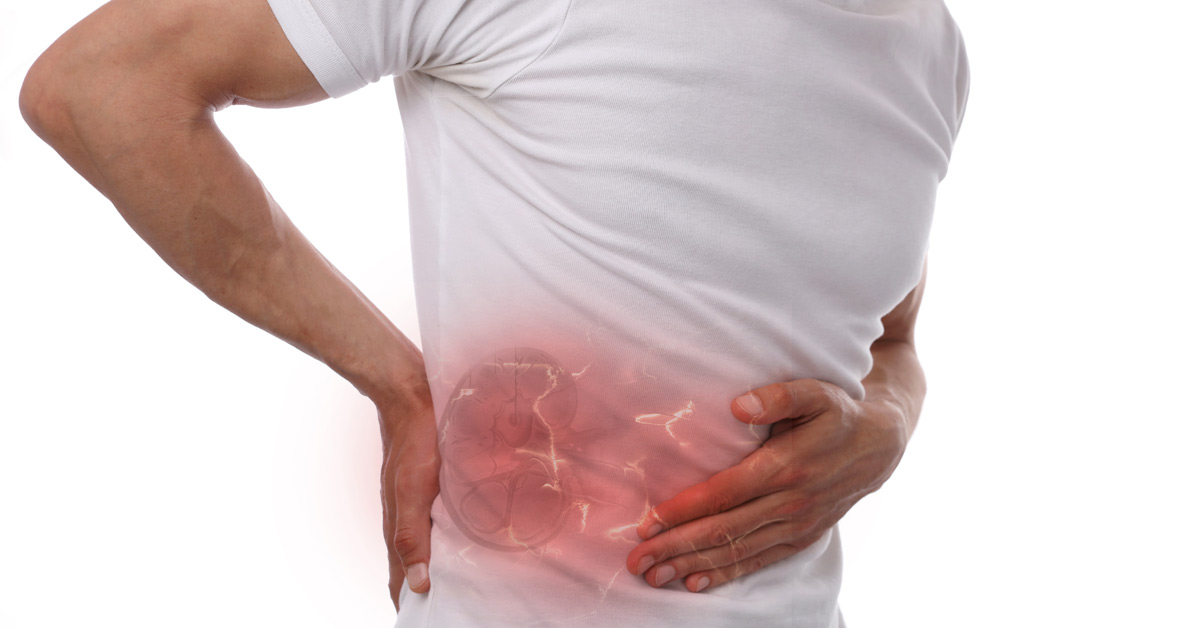
- Sharp or severe pain in your side or back below your ribs
- Pain that spreads to your lower abdomen or groin
- Pain that comes and goes in waves
- Burning or pain when you urinate
- Blood in your urine
- Cloudy or bad-smelling urine
- Frequent urination
- Nausea or vomiting
The pain may change as the stone moves. Fever or chills along with kidney stone symptoms can be a sign of infection and need prompt medical care. You should also seek care for severe pain, persistent vomiting, or trouble urinating.
How Can You Lower Your Risk of Kidney Stones?
You can’t prevent every kidney stone, but some changes can make another one less likely.
Drinking enough water is one of the most important steps. Water dilutes your urine, making it harder for stone-forming minerals to build up.
It may also help to:
- Cut back on high-sodium foods
- Avoid eating large amounts of animal protein
- Eat plenty of fruits and vegetables
- Maintain a healthy weight
- Follow any stone-specific diet recommendations from your doctor
Don’t cut calcium out of your diet just because you’ve had a calcium stone. Getting enough calcium from food can actually help lower the risk of some calcium oxalate stones. Talk with your doctor before making major changes to your diet or supplements.
If you’ve had more than one kidney stone, your urologist may recommend testing to find out why they keep forming. Your prevention plan may include dietary changes or medication.
Worried About How You Get Kidney Stones?
Understanding how you get kidney stones can help you make changes that may keep another one from forming. A urologist can also help you determine which risk factors you can control.
If you’re struggling with kidney stones, schedule an appointment with Carolina Urology Partners. Our urologists serve patients in the Charlotte, NC, and Columbia, SC, areas and can diagnose kidney stones, discuss treatment options, and recommend ways to prevent them from coming back.