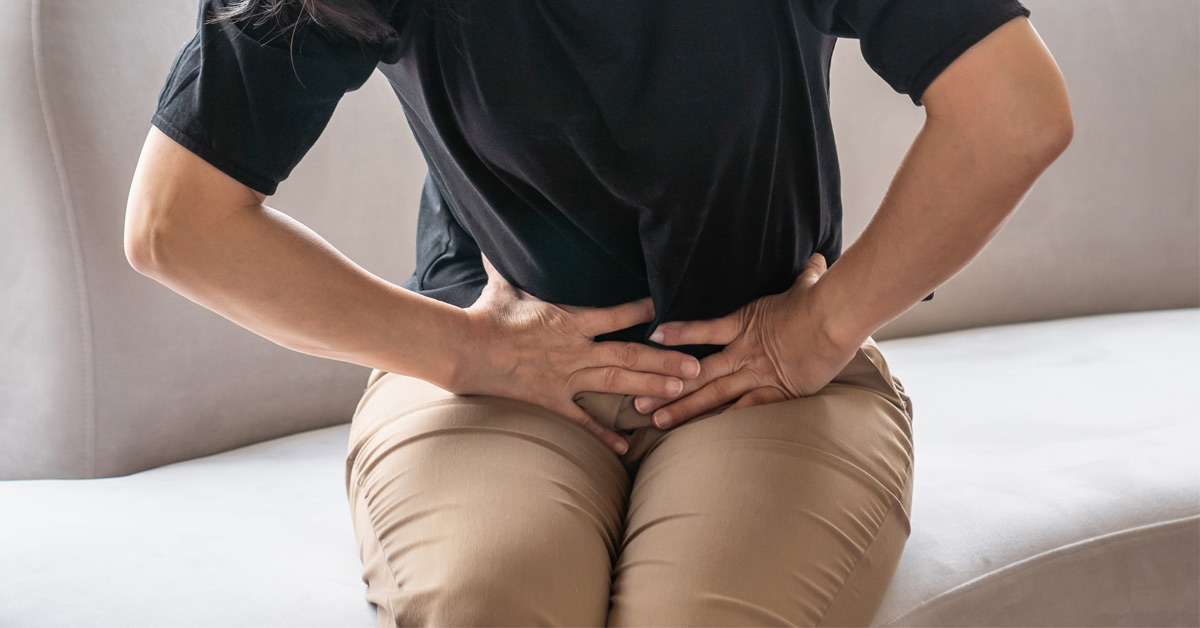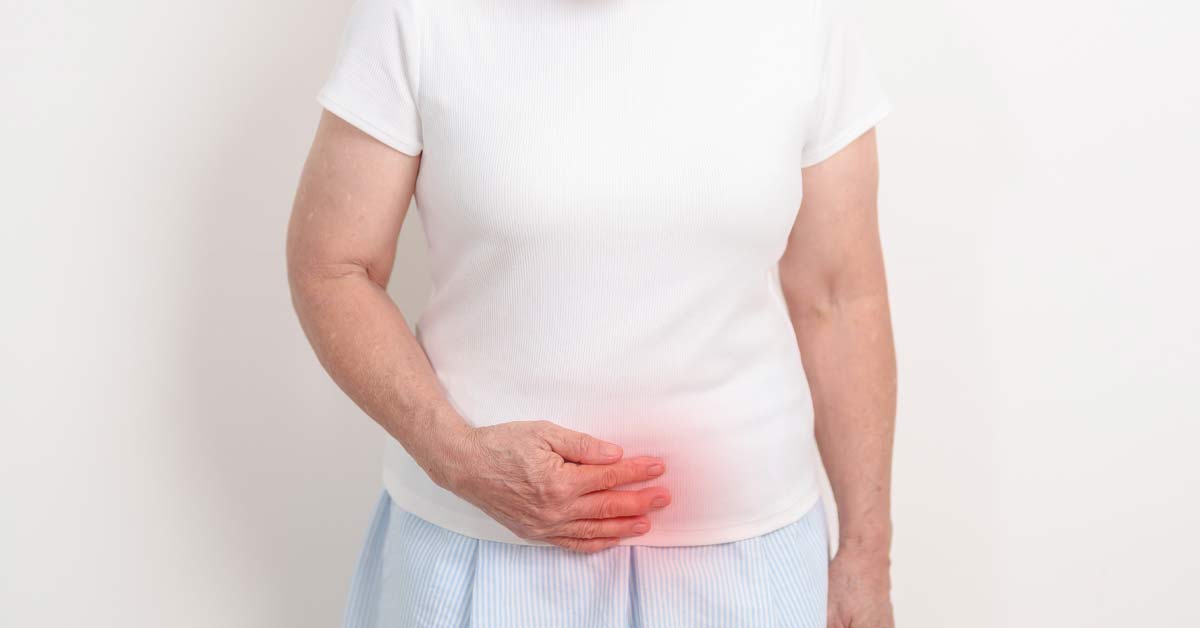

Pelvic pain, burning when you urinate, or pain during ejaculation can be uncomfortable and frustrating. If these problems keep happening, you may wonder if your prostate is the cause.
One possible cause is prostatitis, or inflammation of the prostate. The prostate is a small gland located below the bladder. It can affect men at any age and is a common urinary tract problem in men younger than 50.
Prostatitis symptoms can vary depending on the type of prostatitis you have. Some forms come on suddenly and can make you feel very sick. Others cause pain or urinary problems that come and go over time.
What Are Common Prostatitis Symptoms?
Because the prostate sits deep within the pelvis, prostatitis can cause pain or pressure in several nearby areas. You may feel discomfort:
- Between the scrotum and anus, an area called the perineum
- In the penis or scrotum
- Across the lower abdomen
- In the groin or lower back
- During or after ejaculation
You may also have burning or pain when you urinate. Some men need to urinate more often or suddenly feel a strong urge to go.
The symptoms you have can depend on which type of prostatitis is causing the problem.
What Is Acute Bacterial Prostatitis?
Acute bacterial prostatitis happens when bacteria infect the prostate. Symptoms usually appear quickly and can become severe.
Along with pelvic pain and urinary problems, you may have:
- Fever
- Chills
- Body aches
- Nausea
- Vomiting
Acute bacterial prostatitis needs prompt medical care.
Without treatment, the infection can spread beyond the prostate. In severe cases, it can enter the bloodstream or cause a pocket of infection called a prostate abscess.
Antibiotics are used to treat acute bacterial prostatitis. Severe infections may require IV antibiotics and fluids.
What Is Chronic Bacterial Prostatitis?
Chronic bacterial prostatitis is also caused by an infection, but symptoms tend to develop more slowly.
You may have periods of pelvic discomfort or painful urination that get better and then return. Some men also have pain during ejaculation. Repeated urinary tract infections can be another sign.
Because the infection can be difficult to clear completely, treatment may require antibiotics for a longer period of time.
Can Prostatitis Cause Lasting Pain?
Chronic prostatitis/chronic pelvic pain syndrome (CP/CPPS) is different from bacterial prostatitis. The main symptom is pelvic pain or discomfort that lasts for at least three months.
Symptoms may stay fairly constant for a while and then improve. They can also disappear and return later.
Pain may occur in the:
- Perineum
- Penis
- Lower abdomen
- Lower back
Pain during or after ejaculation is also common. Some men experience burning along the urethra.
Doctors don’t always know what causes CP/CPPS. Inflammation, sensitive nerves and problems with the pelvic floor muscles may all play a role.
Another form, called asymptomatic inflammatory prostatitis, causes inflammation without noticeable symptoms. It is often found during testing for another prostate or urinary problem.
Prostatitis vs. BPH: What Is the Difference?
Prostatitis and benign prostatic hyperplasia (BPH) both affect the prostate, but they are different conditions.
BPH is a noncancerous growth of prostate tissue that becomes more common with age, especially after 50. It often causes urinary problems such as a weak stream, trouble starting urination, or feeling like your bladder hasn’t emptied completely.
Prostatitis involves inflammation and, in some cases, infection. Pain is more common with prostatitis, and the condition can affect men much earlier in adulthood.
Because both conditions can change the way you urinate, symptoms alone don’t always tell you what’s causing the problem. A urologist can evaluate your symptoms and determine what may be happening.
When Should I See a Urologist?
Pelvic or prostate-area pain that continues or keeps returning should be evaluated. Talk with a urologist if you have symptoms such as painful ejaculation, burning with urination, repeated urinary tract infections, or changes in your urine flow.
Seek immediate medical care if urinary or prostate symptoms occur with:
- Fever or chills
- Inability to urinate
- Blood in your urine
- Severe lower abdominal or urinary tract pain
Getting the right diagnosis matters because treatment depends on what’s causing your symptoms.
Get Help for Prostatitis Symptoms
Prostatitis symptoms can range from mild discomfort to sudden pain and illness. If you’re dealing with pelvic pain, painful urination, pain during ejaculation, or urinary problems that keep coming back, a urologist can help determine the cause.
Carolina Urology Partners provides evaluation and treatment for prostatitis and other prostate and urinary conditions for men throughout the greater Charlotte, NC, and Columbia, SC, areas. Schedule an appointment to find out what’s causing your symptoms and what treatment may be right for you.