
If you’ve ever had a kidney stone, you probably don’t want to experience one again. Kidney stones can cause severe pain, nausea, and urinary symptoms that may send you to the emergency room. Even if you’ve never had one, you may wonder how to avoid kidney stones. Your risk may be higher if kidney stones run in your family or you have certain risk factors.
You can’t always prevent kidney stones. But certain daily habits may help lower your risk.
Drinking enough water, eating healthy foods, and maintaining a healthy weight may all help lower your risk.
How Does Drinking Water Help Prevent Kidney Stones?
Drinking enough water is one of the best ways to lower your risk of kidney stones.
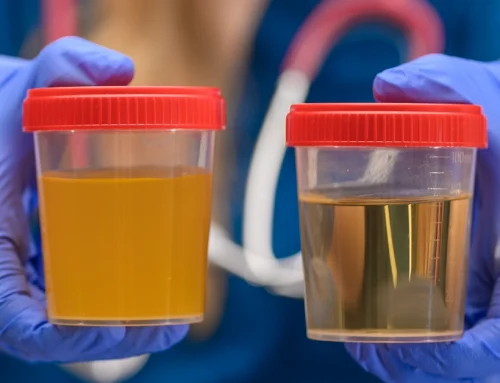
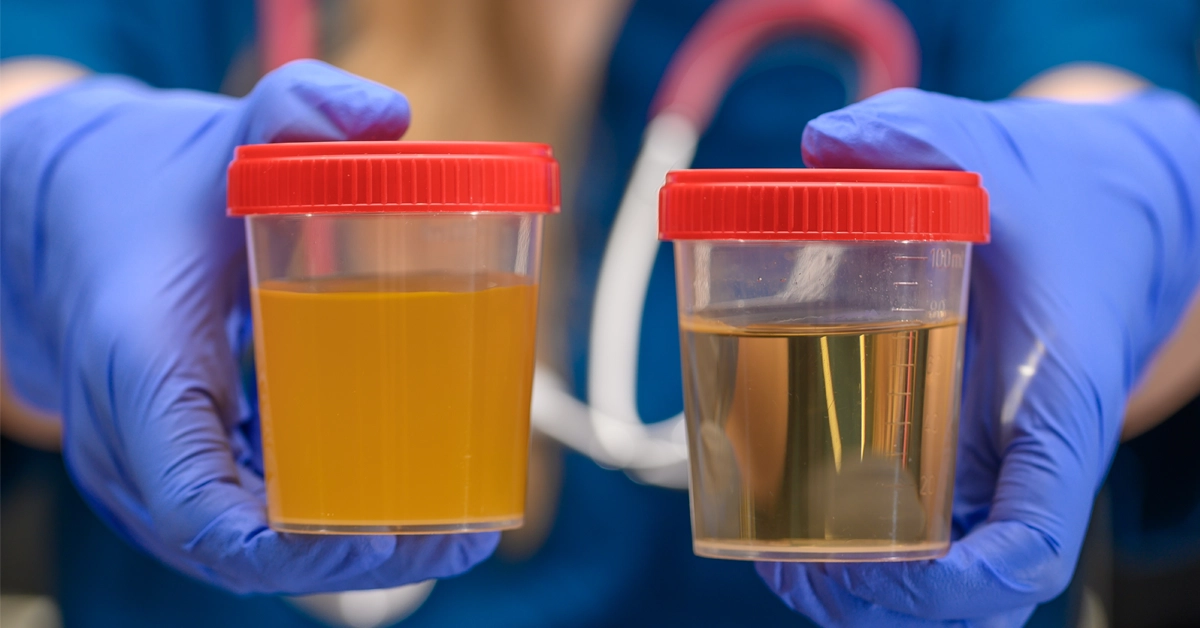
When you don’t drink enough fluids, your urine becomes more concentrated. This gives minerals and waste products a better chance to stick together and form stones.
Try to drink water throughout the day, especially when it’s hot outside or you’re exercising. If you’ve had kidney stones before, your urologist may recommend drinking even more fluids.
What Foods Help Prevent Kidney Stones?
Your diet can play an important role in kidney stone prevention.
Eating more fruits, vegetables, whole grains, and plant-based proteins may help lower your risk of kidney stones. Foods like beans, nuts, and seeds are also good choices. These foods are part of the DASH diet, an eating plan that focuses on fruits, vegetables, whole grains, and other healthy foods.
Healthy food choices may help lower your risk of kidney stones. They can also support your overall health.
Should You Avoid High-Oxalate Foods?
Oxalate is a natural substance found in many foods. Some kidney stones form when oxalate combines with calcium in the urine.
If you’ve had certain types of kidney stones before, your doctor may recommend limiting foods such as:
- Spinach and Swiss chard
- Beets
- Navy beans
- Sweet potatoes
- Peanuts and almonds
- Rhubarb
- Chocolate
Not everyone needs to avoid these foods. The best diet depends on your health history and the type of kidney stones you’ve had.
Does Calcium Help Prevent Kidney Stones?
Many people think they should avoid calcium if they’ve had kidney stones. In most cases, that’s not true.
Calcium from food may help lower the risk of certain kidney stones. It can reduce the amount of oxalate your body absorbs.
Good sources of calcium include:
- Milk
- Yogurt
- Cheese
- Kefir
Most adults need about 1,000 to 1,200 milligrams of calcium each day. Your doctor can help you determine how much calcium is right for you.
What Foods and Drinks Can Increase Kidney Stone Risk?
Some foods and drinks may increase the risk of kidney stones, especially when consumed in large amounts.
These include:
- Foods high in sodium (salt)
- Sugary drinks and excess added sugar
- Large amounts of animal protein, such as red meat
- Beer and other alcoholic beverages
Cutting back on these foods and drinks may help lower your risk of kidney stones. It may also improve your overall health.
Can Being Overweight Increase Kidney Stone Risk?
Being overweight may increase your risk of kidney stones.
Extra weight can change the balance of substances in your urine. This may make kidney stones more likely to form.
Eating a healthy diet, staying active, and maintaining a healthy weight may help lower your risk.
Can Medications Cause Kidney Stones?
Certain medications may increase the risk of kidney stones in some people.
If you’ve had kidney stones before, talk with your doctor about the medications and supplements you take.
Never stop taking a medication without talking to your healthcare provider first.
Does the Type of Kidney Stone Matter?
Not all kidney stones are the same.
Calcium oxalate stones, uric acid stones, and other types of kidney stones can develop for different reasons. Because of this, prevention plans aren’t the same for everyone.
If you’ve had a kidney stone before, your doctor may recommend testing to determine what type of stone you had. This information can help guide future prevention efforts.
What If You Still Develop a Kidney Stone?
Even when you follow healthy habits, kidney stones can still happen. Some people have a higher risk because of their genetics, medical conditions, or the type of kidney stones they develop.
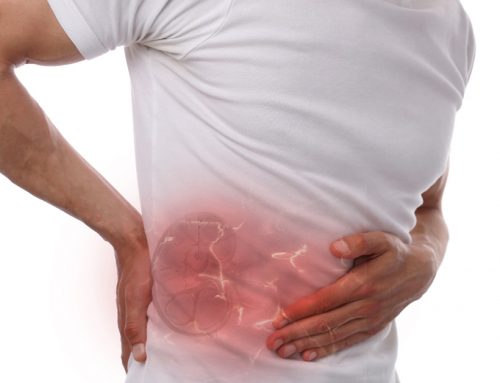
If you think you may have a kidney stone, don’t ignore your symptoms. Severe pain in your side or back, blood in the urine, nausea, vomiting, or trouble urinating should be evaluated by a urologist.
Treatment depends on the size and location of the stone. Some small stones pass on their own, while others may require medication or a procedure to remove them.
If you’ve had kidney stones before, regular follow-up care can help lower your risk of future stones and identify problems early.
How To Avoid Kidney Stones and Lower Your Risk
Learning how to avoid kidney stones often starts with small daily choices. Drinking enough water can help lower your risk. Eating a healthy diet, getting enough calcium, and limiting excess sodium and sugar may also help.
If you’ve had kidney stones before, your risk of developing another stone may be higher. A urologist can help identify your risk factors and create a prevention plan that’s right for you.
If you’re concerned about kidney stones or want to learn more about prevention, schedule an appointment with Carolina Urology Partners. We provide kidney stone care for patients throughout Charlotte, NC, and Columbia, SC.